•  
Farmers Protest - Spain

Farmers Protest - Spain

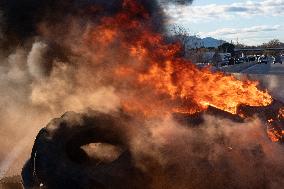
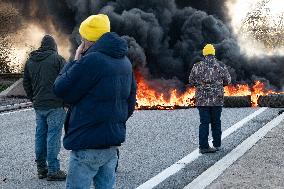
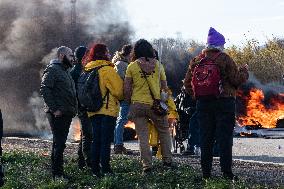
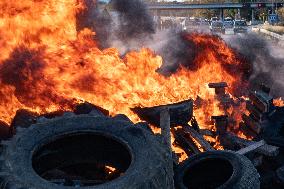
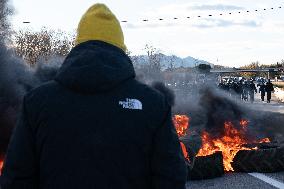
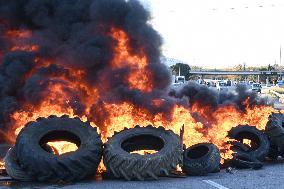
Several people cut the road with burning tires during a protest, on January 8, 2026, in Pontós, Girona, Catalonia (Spain). The AP-7 between Borrassà and Garrigàs and the N-II from Pontós to Garrigàs (Girona) in both directions because of agricultural demonstrations claimed by Revolta Pagesa since early Thursday morning. The agricultural mobilizations respond to the refusal of the part of the sector to the agreement between the European Union and Mercosur, in addition to the "mismanagement" of wildlife - which they believe puts at risk farms and livestock - and cuts in the Common Agricultural Policy (CAP), has claimed Revolta Pagesa from their social networks. Photo by Glòria Sánchez / Europa Press / ABACAPRESS.COM

  •  
Farmers Protest - Spain

Farmers Protest - Spain

Several people cut the road with burning tires during a protest, on January 8, 2026, in Pontós, Girona, Catalonia (Spain). The AP-7 between Borrassà and Garrigàs and the N-II from Pontós to Garrigàs (Girona) in both directions because of agricultural demonstrations claimed by Revolta Pagesa since early Thursday morning. The agricultural mobilizations respond to the refusal of the part of the sector to the agreement between the European Union and Mercosur, in addition to the "mismanagement" of wildlife - which they believe puts at risk farms and livestock - and cuts in the Common Agricultural Policy (CAP), has claimed Revolta Pagesa from their social networks. Photo by Glòria Sánchez / Europa Press / ABACAPRESS.COM

  •  
Farmers Protest - Spain

Farmers Protest - Spain

Several people cut the road with burning tires during a protest, on January 8, 2026, in Pontós, Girona, Catalonia (Spain). The AP-7 between Borrassà and Garrigàs and the N-II from Pontós to Garrigàs (Girona) in both directions because of agricultural demonstrations claimed by Revolta Pagesa since early Thursday morning. The agricultural mobilizations respond to the refusal of the part of the sector to the agreement between the European Union and Mercosur, in addition to the "mismanagement" of wildlife - which they believe puts at risk farms and livestock - and cuts in the Common Agricultural Policy (CAP), has claimed Revolta Pagesa from their social networks. Photo by Glòria Sánchez / Europa Press / ABACAPRESS.COM

  •  
Farmers Protest - Spain

Farmers Protest - Spain

Several people cut the road with burning tires during a protest, on January 8, 2026, in Pontós, Girona, Catalonia (Spain). The AP-7 between Borrassà and Garrigàs and the N-II from Pontós to Garrigàs (Girona) in both directions because of agricultural demonstrations claimed by Revolta Pagesa since early Thursday morning. The agricultural mobilizations respond to the refusal of the part of the sector to the agreement between the European Union and Mercosur, in addition to the "mismanagement" of wildlife - which they believe puts at risk farms and livestock - and cuts in the Common Agricultural Policy (CAP), has claimed Revolta Pagesa from their social networks. Photo by Glòria Sánchez / Europa Press / ABACAPRESS.COM

  •  
Farmers Protest - Spain

Farmers Protest - Spain

Several people cut the road with burning tires during a protest, on January 8, 2026, in Pontós, Girona, Catalonia (Spain). The AP-7 between Borrassà and Garrigàs and the N-II from Pontós to Garrigàs (Girona) in both directions because of agricultural demonstrations claimed by Revolta Pagesa since early Thursday morning. The agricultural mobilizations respond to the refusal of the part of the sector to the agreement between the European Union and Mercosur, in addition to the "mismanagement" of wildlife - which they believe puts at risk farms and livestock - and cuts in the Common Agricultural Policy (CAP), has claimed Revolta Pagesa from their social networks. Photo by Glòria Sánchez / Europa Press / ABACAPRESS.COM

  •  
Farmers Protest - Spain

Farmers Protest - Spain

Several people cut the road with burning tires during a protest, on January 8, 2026, in Pontós, Girona, Catalonia (Spain). The AP-7 between Borrassà and Garrigàs and the N-II from Pontós to Garrigàs (Girona) in both directions because of agricultural demonstrations claimed by Revolta Pagesa since early Thursday morning. The agricultural mobilizations respond to the refusal of the part of the sector to the agreement between the European Union and Mercosur, in addition to the "mismanagement" of wildlife - which they believe puts at risk farms and livestock - and cuts in the Common Agricultural Policy (CAP), has claimed Revolta Pagesa from their social networks. Photo by Gloria Sánchez/Europa Press/ABACAPRESS.COM

  •  
Laborers Work At A Bricks Field In Bangladesh

Laborers Work At A Bricks Field In Bangladesh

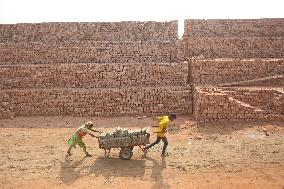
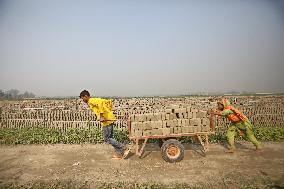
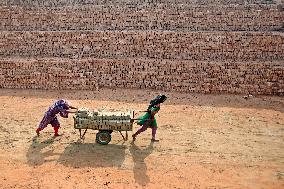
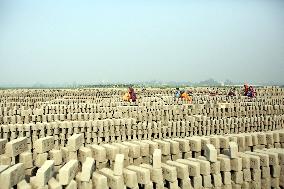
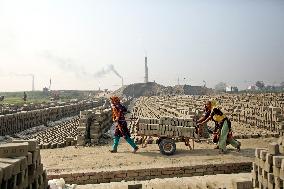
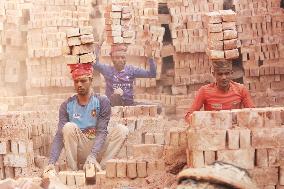
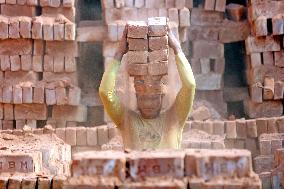
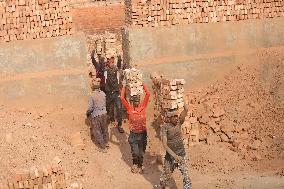
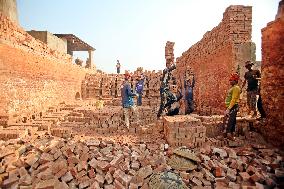
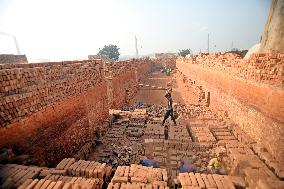
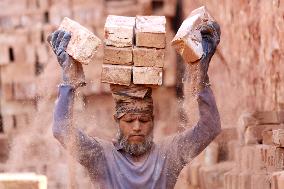
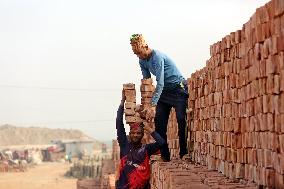
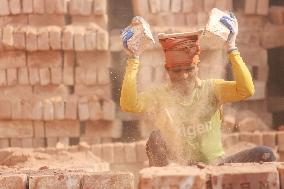
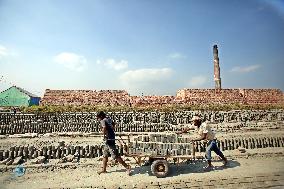
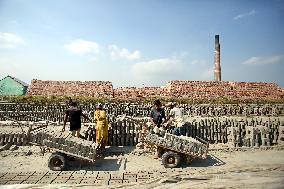
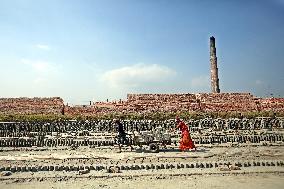
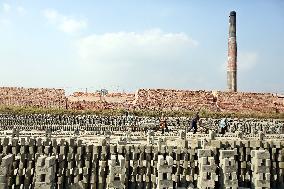
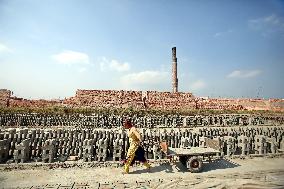
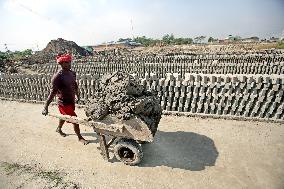
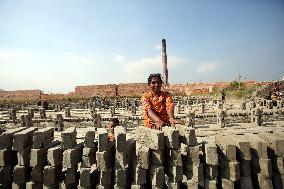
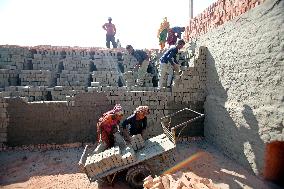
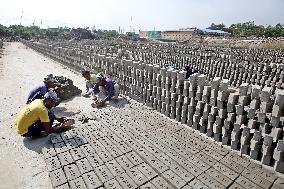
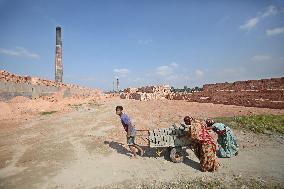
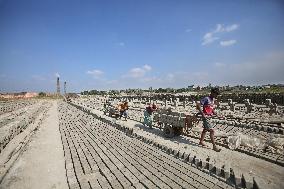
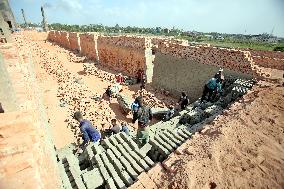
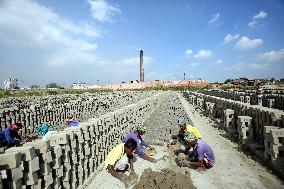
Laborers work at a brickyard on January 28, 2024, in Dhaka, Bangladesh. Bangladesh goes through speedy urbanization. Rapid urbanization generates massive demand for bricks as it is one of the key ingredients to build concrete structures. To meet this growing need, the number of brick-making fields has been increasing at an alarming rate in Bangladesh. Most of them take place in farming lands which causes a reduction in agricultural production, and burning coal causes tremendous emission of Carbon-Di-Oxide (CO2) gas which is primarily responsible for climate change. Photo by Habibur Rahman/ABACAPRESS.COM

  •  
Laborers Work At A Bricks Field In Bangladesh

Laborers Work At A Bricks Field In Bangladesh

Laborers work at a brickyard on January 28, 2024, in Dhaka, Bangladesh. Bangladesh goes through speedy urbanization. Rapid urbanization generates massive demand for bricks as it is one of the key ingredients to build concrete structures. To meet this growing need, the number of brick-making fields has been increasing at an alarming rate in Bangladesh. Most of them take place in farming lands which causes a reduction in agricultural production, and burning coal causes tremendous emission of Carbon-Di-Oxide (CO2) gas which is primarily responsible for climate change. Photo by Habibur Rahman/ABACAPRESS.COM

  •  
Laborers Work At A Bricks Field In Bangladesh

Laborers Work At A Bricks Field In Bangladesh

Laborers work at a brickyard on January 28, 2024, in Dhaka, Bangladesh. Bangladesh goes through speedy urbanization. Rapid urbanization generates massive demand for bricks as it is one of the key ingredients to build concrete structures. To meet this growing need, the number of brick-making fields has been increasing at an alarming rate in Bangladesh. Most of them take place in farming lands which causes a reduction in agricultural production, and burning coal causes tremendous emission of Carbon-Di-Oxide (CO2) gas which is primarily responsible for climate change. Photo by Habibur Rahman/ABACAPRESS.COM

  •  
Laborers Work At A Bricks Field In Bangladesh

Laborers Work At A Bricks Field In Bangladesh

Laborers work at a brickyard on January 28, 2024, in Dhaka, Bangladesh. Bangladesh goes through speedy urbanization. Rapid urbanization generates massive demand for bricks as it is one of the key ingredients to build concrete structures. To meet this growing need, the number of brick-making fields has been increasing at an alarming rate in Bangladesh. Most of them take place in farming lands which causes a reduction in agricultural production, and burning coal causes tremendous emission of Carbon-Di-Oxide (CO2) gas which is primarily responsible for climate change. Photo by Habibur Rahman/ABACAPRESS.COM

  •  
Laborers Work At A Bricks Field In Bangladesh

Laborers Work At A Bricks Field In Bangladesh

Laborers work at a brickyard on January 28, 2024, in Dhaka, Bangladesh. Bangladesh goes through speedy urbanization. Rapid urbanization generates massive demand for bricks as it is one of the key ingredients to build concrete structures. To meet this growing need, the number of brick-making fields has been increasing at an alarming rate in Bangladesh. Most of them take place in farming lands which causes a reduction in agricultural production, and burning coal causes tremendous emission of Carbon-Di-Oxide (CO2) gas which is primarily responsible for climate change. Photo by Habibur Rahman/ABACAPRESS.COM

  •  
Laborers Work At A Bricks Field In Bangladesh

Laborers Work At A Bricks Field In Bangladesh

Laborers work at a brickyard on January 28, 2024, in Dhaka, Bangladesh. Bangladesh goes through speedy urbanization. Rapid urbanization generates massive demand for bricks as it is one of the key ingredients to build concrete structures. To meet this growing need, the number of brick-making fields has been increasing at an alarming rate in Bangladesh. Most of them take place in farming lands which causes a reduction in agricultural production, and burning coal causes tremendous emission of Carbon-Di-Oxide (CO2) gas which is primarily responsible for climate change. Photo by Habibur Rahman/ABACAPRESS.COM

  •  
Laborers Work At A Bricks Field In Bangladesh

Laborers Work At A Bricks Field In Bangladesh

Laborers work at a brickyard on January 28, 2024, in Dhaka, Bangladesh. Bangladesh goes through speedy urbanization. Rapid urbanization generates massive demand for bricks as it is one of the key ingredients to build concrete structures. To meet this growing need, the number of brick-making fields has been increasing at an alarming rate in Bangladesh. Most of them take place in farming lands which causes a reduction in agricultural production, and burning coal causes tremendous emission of Carbon-Di-Oxide (CO2) gas which is primarily responsible for climate change. Photo by Habibur Rahman/ABACAPRESS.COM

  •  
Laborers Work At A Bricks Field In Bangladesh

Laborers Work At A Bricks Field In Bangladesh

Laborers work at a brickyard on January 28, 2024, in Dhaka, Bangladesh. Bangladesh goes through speedy urbanization. Rapid urbanization generates massive demand for bricks as it is one of the key ingredients to build concrete structures. To meet this growing need, the number of brick-making fields has been increasing at an alarming rate in Bangladesh. Most of them take place in farming lands which causes a reduction in agricultural production, and burning coal causes tremendous emission of Carbon-Di-Oxide (CO2) gas which is primarily responsible for climate change. Photo by Habibur Rahman/ABACAPRESS.COM

  •  
Laborers Work At A Bricks Field In Bangladesh

Laborers Work At A Bricks Field In Bangladesh

Laborers work at a brickyard on January 28, 2024, in Dhaka, Bangladesh. Bangladesh goes through speedy urbanization. Rapid urbanization generates massive demand for bricks as it is one of the key ingredients to build concrete structures. To meet this growing need, the number of brick-making fields has been increasing at an alarming rate in Bangladesh. Most of them take place in farming lands which causes a reduction in agricultural production, and burning coal causes tremendous emission of Carbon-Di-Oxide (CO2) gas which is primarily responsible for climate change. Photo by Habibur Rahman/ABACAPRESS.COM

  •  
Laborers Work At A Bricks Field In Bangladesh

Laborers Work At A Bricks Field In Bangladesh

Laborers work at a brickyard on January 28, 2024, in Dhaka, Bangladesh. Bangladesh goes through speedy urbanization. Rapid urbanization generates massive demand for bricks as it is one of the key ingredients to build concrete structures. To meet this growing need, the number of brick-making fields has been increasing at an alarming rate in Bangladesh. Most of them take place in farming lands which causes a reduction in agricultural production, and burning coal causes tremendous emission of Carbon-Di-Oxide (CO2) gas which is primarily responsible for climate change. Photo by Habibur Rahman/ABACAPRESS.COM

  •  
Laborers Work At A Bricks Field In Bangladesh

Laborers Work At A Bricks Field In Bangladesh

Laborers work at a brickyard on January 28, 2024, in Dhaka, Bangladesh. Bangladesh goes through speedy urbanization. Rapid urbanization generates massive demand for bricks as it is one of the key ingredients to build concrete structures. To meet this growing need, the number of brick-making fields has been increasing at an alarming rate in Bangladesh. Most of them take place in farming lands which causes a reduction in agricultural production, and burning coal causes tremendous emission of Carbon-Di-Oxide (CO2) gas which is primarily responsible for climate change. Photo by Habibur Rahman/ABACAPRESS.COM

  •  
Laborers Work At A Bricks Field In Bangladesh

Laborers Work At A Bricks Field In Bangladesh

Laborers work at a brickyard on January 28, 2024, in Dhaka, Bangladesh. Bangladesh goes through speedy urbanization. Rapid urbanization generates massive demand for bricks as it is one of the key ingredients to build concrete structures. To meet this growing need, the number of brick-making fields has been increasing at an alarming rate in Bangladesh. Most of them take place in farming lands which causes a reduction in agricultural production, and burning coal causes tremendous emission of Carbon-Di-Oxide (CO2) gas which is primarily responsible for climate change. Photo by Habibur Rahman/ABACAPRESS.COM

  •  
Laborers Work At A Bricks Field In Bangladesh

Laborers Work At A Bricks Field In Bangladesh

Laborers work at a brickyard on January 28, 2024, in Dhaka, Bangladesh. Bangladesh goes through speedy urbanization. Rapid urbanization generates massive demand for bricks as it is one of the key ingredients to build concrete structures. To meet this growing need, the number of brick-making fields has been increasing at an alarming rate in Bangladesh. Most of them take place in farming lands which causes a reduction in agricultural production, and burning coal causes tremendous emission of Carbon-Di-Oxide (CO2) gas which is primarily responsible for climate change. Photo by Habibur Rahman/ABACAPRESS.COM

  •  
Laborers Work At A Bricks Field In Bangladesh

Laborers Work At A Bricks Field In Bangladesh

Laborers work at a brickyard on January 28, 2024, in Dhaka, Bangladesh. Bangladesh goes through speedy urbanization. Rapid urbanization generates massive demand for bricks as it is one of the key ingredients to build concrete structures. To meet this growing need, the number of brick-making fields has been increasing at an alarming rate in Bangladesh. Most of them take place in farming lands which causes a reduction in agricultural production, and burning coal causes tremendous emission of Carbon-Di-Oxide (CO2) gas which is primarily responsible for climate change. Photo by Habibur Rahman/ABACAPRESS.COM

  •  
Laborers Work At A Bricks Field In Bangladesh

Laborers Work At A Bricks Field In Bangladesh

Laborers work at a brickyard on January 28, 2024, in Dhaka, Bangladesh. Bangladesh goes through speedy urbanization. Rapid urbanization generates massive demand for bricks as it is one of the key ingredients to build concrete structures. To meet this growing need, the number of brick-making fields has been increasing at an alarming rate in Bangladesh. Most of them take place in farming lands which causes a reduction in agricultural production, and burning coal causes tremendous emission of Carbon-Di-Oxide (CO2) gas which is primarily responsible for climate change. Photo by Habibur Rahman/ABACAPRESS.COM

  •  
Laborers Work At A Bricks Field In Bangladesh

Laborers Work At A Bricks Field In Bangladesh

Laborers work at a brickyard on January 28, 2024, in Dhaka, Bangladesh. Bangladesh goes through speedy urbanization. Rapid urbanization generates massive demand for bricks as it is one of the key ingredients to build concrete structures. To meet this growing need, the number of brick-making fields has been increasing at an alarming rate in Bangladesh. Most of them take place in farming lands which causes a reduction in agricultural production, and burning coal causes tremendous emission of Carbon-Di-Oxide (CO2) gas which is primarily responsible for climate change. Photo by Habibur Rahman/ABACAPRESS.COM

  •  
Laborers Work At A Bricks Field In Bangladesh

Laborers Work At A Bricks Field In Bangladesh

Laborers work at a brickyard on January 28, 2024, in Dhaka, Bangladesh. Bangladesh goes through speedy urbanization. Rapid urbanization generates massive demand for bricks as it is one of the key ingredients to build concrete structures. To meet this growing need, the number of brick-making fields has been increasing at an alarming rate in Bangladesh. Most of them take place in farming lands which causes a reduction in agricultural production, and burning coal causes tremendous emission of Carbon-Di-Oxide (CO2) gas which is primarily responsible for climate change. Photo by Habibur Rahman/ABACAPRESS.COM

  •  
Laborers Work At A Bricks Field In Bangladesh

Laborers Work At A Bricks Field In Bangladesh

Laborers work at a brickyard on January 28, 2024, in Dhaka, Bangladesh. Bangladesh goes through speedy urbanization. Rapid urbanization generates massive demand for bricks as it is one of the key ingredients to build concrete structures. To meet this growing need, the number of brick-making fields has been increasing at an alarming rate in Bangladesh. Most of them take place in farming lands which causes a reduction in agricultural production, and burning coal causes tremendous emission of Carbon-Di-Oxide (CO2) gas which is primarily responsible for climate change. Photo by Habibur Rahman/ABACAPRESS.COM

  •  
Laborers Work At A Bricks Field In Bangladesh

Laborers Work At A Bricks Field In Bangladesh

Laborers work at a brickyard on January 28, 2024, in Dhaka, Bangladesh. Bangladesh goes through speedy urbanization. Rapid urbanization generates massive demand for bricks as it is one of the key ingredients to build concrete structures. To meet this growing need, the number of brick-making fields has been increasing at an alarming rate in Bangladesh. Most of them take place in farming lands which causes a reduction in agricultural production, and burning coal causes tremendous emission of Carbon-Di-Oxide (CO2) gas which is primarily responsible for climate change. Photo by Habibur Rahman/ABACAPRESS.COM

  •  
Laborers Work At A Bricks Field In Bangladesh

Laborers Work At A Bricks Field In Bangladesh

Laborers work at a brickyard on January 28, 2024, in Dhaka, Bangladesh. Bangladesh goes through speedy urbanization. Rapid urbanization generates massive demand for bricks as it is one of the key ingredients to build concrete structures. To meet this growing need, the number of brick-making fields has been increasing at an alarming rate in Bangladesh. Most of them take place in farming lands which causes a reduction in agricultural production, and burning coal causes tremendous emission of Carbon-Di-Oxide (CO2) gas which is primarily responsible for climate change. Photo by Habibur Rahman/ABACAPRESS.COM

  •  
Laborers Work At A Bricks Field In Bangladesh

Laborers Work At A Bricks Field In Bangladesh

Laborers work at a brickyard on January 28, 2024, in Dhaka, Bangladesh. Bangladesh goes through speedy urbanization. Rapid urbanization generates massive demand for bricks as it is one of the key ingredients to build concrete structures. To meet this growing need, the number of brick-making fields has been increasing at an alarming rate in Bangladesh. Most of them take place in farming lands which causes a reduction in agricultural production, and burning coal causes tremendous emission of Carbon-Di-Oxide (CO2) gas which is primarily responsible for climate change. Photo by Habibur Rahman/ABACAPRESS.COM

  •  
Laborers Work At A Bricks Field In Bangladesh

Laborers Work At A Bricks Field In Bangladesh

Laborers work at a brickyard on January 28, 2024, in Dhaka, Bangladesh. Bangladesh goes through speedy urbanization. Rapid urbanization generates massive demand for bricks as it is one of the key ingredients to build concrete structures. To meet this growing need, the number of brick-making fields has been increasing at an alarming rate in Bangladesh. Most of them take place in farming lands which causes a reduction in agricultural production, and burning coal causes tremendous emission of Carbon-Di-Oxide (CO2) gas which is primarily responsible for climate change. Photo by Habibur Rahman/ABACAPRESS.COM

  •  
Laborers Work At A Bricks Field In Bangladesh

Laborers Work At A Bricks Field In Bangladesh

Laborers work at a brickyard on January 28, 2024, in Dhaka, Bangladesh. Bangladesh goes through speedy urbanization. Rapid urbanization generates massive demand for bricks as it is one of the key ingredients to build concrete structures. To meet this growing need, the number of brick-making fields has been increasing at an alarming rate in Bangladesh. Most of them take place in farming lands which causes a reduction in agricultural production, and burning coal causes tremendous emission of Carbon-Di-Oxide (CO2) gas which is primarily responsible for climate change. Photo by Habibur Rahman/ABACAPRESS.COM

  •  
Laborers Work At A Bricks Field In Bangladesh

Laborers Work At A Bricks Field In Bangladesh

Laborers work at a brickyard on January 28, 2024, in Dhaka, Bangladesh. Bangladesh goes through speedy urbanization. Rapid urbanization generates massive demand for bricks as it is one of the key ingredients to build concrete structures. To meet this growing need, the number of brick-making fields has been increasing at an alarming rate in Bangladesh. Most of them take place in farming lands which causes a reduction in agricultural production, and burning coal causes tremendous emission of Carbon-Di-Oxide (CO2) gas which is primarily responsible for climate change. Photo by Habibur Rahman/ABACAPRESS.COM

  •  
Laborers Work At A Bricks Field In Bangladesh

Laborers Work At A Bricks Field In Bangladesh

Laborers work at a brickyard on January 28, 2024, in Dhaka, Bangladesh. Bangladesh goes through speedy urbanization. Rapid urbanization generates massive demand for bricks as it is one of the key ingredients to build concrete structures. To meet this growing need, the number of brick-making fields has been increasing at an alarming rate in Bangladesh. Most of them take place in farming lands which causes a reduction in agricultural production, and burning coal causes tremendous emission of Carbon-Di-Oxide (CO2) gas which is primarily responsible for climate change. Photo by Habibur Rahman/ABACAPRESS.COM

  •  
Laborers Work At A Bricks Field In Bangladesh

Laborers Work At A Bricks Field In Bangladesh

Laborers work at a brickyard on January 28, 2024, in Dhaka, Bangladesh. Bangladesh goes through speedy urbanization. Rapid urbanization generates massive demand for bricks as it is one of the key ingredients to build concrete structures. To meet this growing need, the number of brick-making fields has been increasing at an alarming rate in Bangladesh. Most of them take place in farming lands which causes a reduction in agricultural production, and burning coal causes tremendous emission of Carbon-Di-Oxide (CO2) gas which is primarily responsible for climate change. Photo by Habibur Rahman/ABACAPRESS.COM

  •  
Laborers Work At A Bricks Field In Bangladesh

Laborers Work At A Bricks Field In Bangladesh

Laborers work at a brickyard on January 28, 2024, in Dhaka, Bangladesh. Bangladesh goes through speedy urbanization. Rapid urbanization generates massive demand for bricks as it is one of the key ingredients to build concrete structures. To meet this growing need, the number of brick-making fields has been increasing at an alarming rate in Bangladesh. Most of them take place in farming lands which causes a reduction in agricultural production, and burning coal causes tremendous emission of Carbon-Di-Oxide (CO2) gas which is primarily responsible for climate change. Photo by Habibur Rahman/ABACAPRESS.COM

  •  
Laborers Work At A Bricks Field In Bangladesh

Laborers Work At A Bricks Field In Bangladesh

Laborers work at a brickyard on January 28, 2024, in Dhaka, Bangladesh. Bangladesh goes through speedy urbanization. Rapid urbanization generates massive demand for bricks as it is one of the key ingredients to build concrete structures. To meet this growing need, the number of brick-making fields has been increasing at an alarming rate in Bangladesh. Most of them take place in farming lands which causes a reduction in agricultural production, and burning coal causes tremendous emission of Carbon-Di-Oxide (CO2) gas which is primarily responsible for climate change. Photo by Habibur Rahman/ABACAPRESS.COM

  •  
Laborers Work At A Bricks Field In Bangladesh

Laborers Work At A Bricks Field In Bangladesh

Laborers work at a brickyard on January 28, 2024, in Dhaka, Bangladesh. Bangladesh goes through speedy urbanization. Rapid urbanization generates massive demand for bricks as it is one of the key ingredients to build concrete structures. To meet this growing need, the number of brick-making fields has been increasing at an alarming rate in Bangladesh. Most of them take place in farming lands which causes a reduction in agricultural production, and burning coal causes tremendous emission of Carbon-Di-Oxide (CO2) gas which is primarily responsible for climate change. Photo by Habibur Rahman/ABACAPRESS.COM

  •  
Laborers Work At A Bricks Field In Bangladesh

Laborers Work At A Bricks Field In Bangladesh

Laborers work at a brickyard on January 28, 2024, in Dhaka, Bangladesh. Bangladesh goes through speedy urbanization. Rapid urbanization generates massive demand for bricks as it is one of the key ingredients to build concrete structures. To meet this growing need, the number of brick-making fields has been increasing at an alarming rate in Bangladesh. Most of them take place in farming lands which causes a reduction in agricultural production, and burning coal causes tremendous emission of Carbon-Di-Oxide (CO2) gas which is primarily responsible for climate change. Photo by Habibur Rahman/ABACAPRESS.COM

  •  
Laborers Work At A Brickyard - Bangladesh

Laborers Work At A Brickyard - Bangladesh

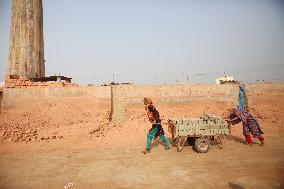
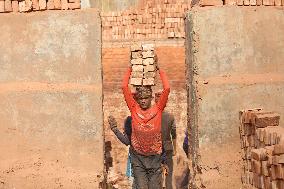
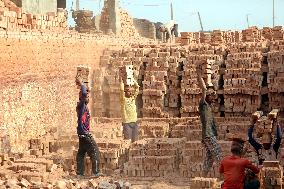
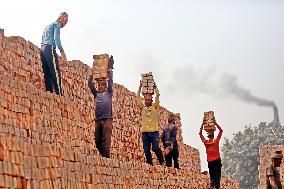
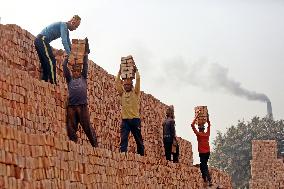
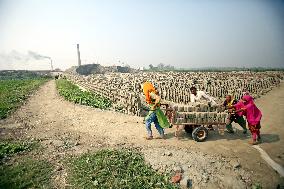
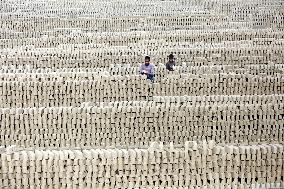
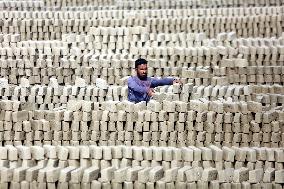
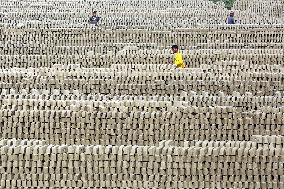
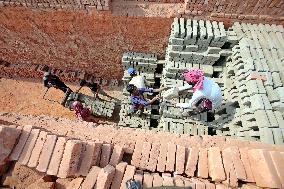
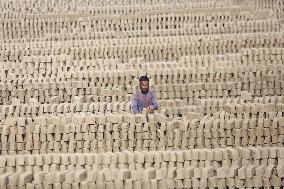
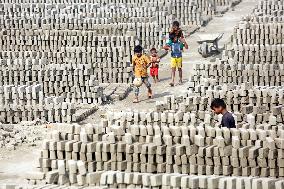
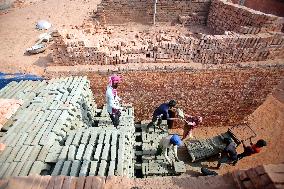
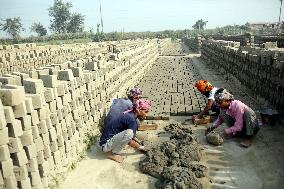
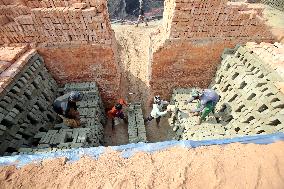
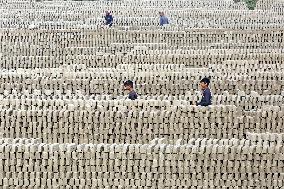
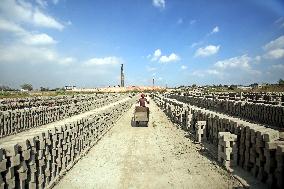
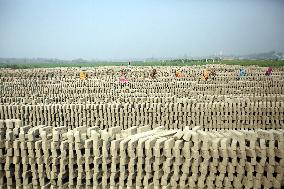
Laborer work at a brickyard. Bangladesh goes through speedy urbanization. Rapid urbanization generates massive demand for bricks as it is one of the key ingredients to build concrete structures. To meet this growing need, the number of brick-making fields has been increasing at an alarming rate in Bangladesh. Most of them take place in farming lands which causes a reduction in agricultural production, and burning coal causes tremendous emission of Carbon-Di-Oxide (CO2) gas which is primarily responsible for climate change. On November 26, 2023 in Dhaka, Bangladesh.Most laborers work here 7 days a week and get BDT (Bangladeshi taka) 450 ($ 4.37) per day. Photo by Habibur Rahman/ABACAPRESS.COM

  •  
Laborers Work At A Brickyard - Bangladesh

Laborers Work At A Brickyard - Bangladesh

Laborer work at a brickyard. Bangladesh goes through speedy urbanization. Rapid urbanization generates massive demand for bricks as it is one of the key ingredients to build concrete structures. To meet this growing need, the number of brick-making fields has been increasing at an alarming rate in Bangladesh. Most of them take place in farming lands which causes a reduction in agricultural production, and burning coal causes tremendous emission of Carbon-Di-Oxide (CO2) gas which is primarily responsible for climate change. On November 26, 2023 in Dhaka, Bangladesh.Most laborers work here 7 days a week and get BDT (Bangladeshi taka) 450 ($ 4.37) per day. Photo by Habibur Rahman/ABACAPRESS.COM

  •  
Laborers Work At A Brickyard - Bangladesh

Laborers Work At A Brickyard - Bangladesh

Laborer work at a brickyard. Bangladesh goes through speedy urbanization. Rapid urbanization generates massive demand for bricks as it is one of the key ingredients to build concrete structures. To meet this growing need, the number of brick-making fields has been increasing at an alarming rate in Bangladesh. Most of them take place in farming lands which causes a reduction in agricultural production, and burning coal causes tremendous emission of Carbon-Di-Oxide (CO2) gas which is primarily responsible for climate change. On November 26, 2023 in Dhaka, Bangladesh.Most laborers work here 7 days a week and get BDT (Bangladeshi taka) 450 ($ 4.37) per day. Photo by Habibur Rahman/ABACAPRESS.COM

  •  
Laborers Work At A Brickyard - Bangladesh

Laborers Work At A Brickyard - Bangladesh

Laborer work at a brickyard. Bangladesh goes through speedy urbanization. Rapid urbanization generates massive demand for bricks as it is one of the key ingredients to build concrete structures. To meet this growing need, the number of brick-making fields has been increasing at an alarming rate in Bangladesh. Most of them take place in farming lands which causes a reduction in agricultural production, and burning coal causes tremendous emission of Carbon-Di-Oxide (CO2) gas which is primarily responsible for climate change. On November 26, 2023 in Dhaka, Bangladesh.Most laborers work here 7 days a week and get BDT (Bangladeshi taka) 450 ($ 4.37) per day. Photo by Habibur Rahman/ABACAPRESS.COM

  •  
Laborers Work At A Brickyard - Bangladesh

Laborers Work At A Brickyard - Bangladesh

Laborer work at a brickyard. Bangladesh goes through speedy urbanization. Rapid urbanization generates massive demand for bricks as it is one of the key ingredients to build concrete structures. To meet this growing need, the number of brick-making fields has been increasing at an alarming rate in Bangladesh. Most of them take place in farming lands which causes a reduction in agricultural production, and burning coal causes tremendous emission of Carbon-Di-Oxide (CO2) gas which is primarily responsible for climate change. On November 26, 2023 in Dhaka, Bangladesh.Most laborers work here 7 days a week and get BDT (Bangladeshi taka) 450 ($ 4.37) per day. Photo by Habibur Rahman/ABACAPRESS.COM

  •  
Laborers Work At A Brickyard - Bangladesh

Laborers Work At A Brickyard - Bangladesh

Laborer work at a brickyard. Bangladesh goes through speedy urbanization. Rapid urbanization generates massive demand for bricks as it is one of the key ingredients to build concrete structures. To meet this growing need, the number of brick-making fields has been increasing at an alarming rate in Bangladesh. Most of them take place in farming lands which causes a reduction in agricultural production, and burning coal causes tremendous emission of Carbon-Di-Oxide (CO2) gas which is primarily responsible for climate change. On November 26, 2023 in Dhaka, Bangladesh.Most laborers work here 7 days a week and get BDT (Bangladeshi taka) 450 ($ 4.37) per day. Photo by Habibur Rahman/ABACAPRESS.COM

  •  
Laborers Work At A Brickyard - Bangladesh

Laborers Work At A Brickyard - Bangladesh

Laborer work at a brickyard. Bangladesh goes through speedy urbanization. Rapid urbanization generates massive demand for bricks as it is one of the key ingredients to build concrete structures. To meet this growing need, the number of brick-making fields has been increasing at an alarming rate in Bangladesh. Most of them take place in farming lands which causes a reduction in agricultural production, and burning coal causes tremendous emission of Carbon-Di-Oxide (CO2) gas which is primarily responsible for climate change. On November 26, 2023 in Dhaka, Bangladesh.Most laborers work here 7 days a week and get BDT (Bangladeshi taka) 450 ($ 4.37) per day. Photo by Habibur Rahman/ABACAPRESS.COM

  •  
Laborers Work At A Brickyard - Bangladesh

Laborers Work At A Brickyard - Bangladesh

Laborer work at a brickyard. Bangladesh goes through speedy urbanization. Rapid urbanization generates massive demand for bricks as it is one of the key ingredients to build concrete structures. To meet this growing need, the number of brick-making fields has been increasing at an alarming rate in Bangladesh. Most of them take place in farming lands which causes a reduction in agricultural production, and burning coal causes tremendous emission of Carbon-Di-Oxide (CO2) gas which is primarily responsible for climate change. On November 26, 2023 in Dhaka, Bangladesh.Most laborers work here 7 days a week and get BDT (Bangladeshi taka) 450 ($ 4.37) per day. Photo by Habibur Rahman/ABACAPRESS.COM

  •  
Laborers Work At A Brickyard - Bangladesh

Laborers Work At A Brickyard - Bangladesh

Laborer work at a brickyard. Bangladesh goes through speedy urbanization. Rapid urbanization generates massive demand for bricks as it is one of the key ingredients to build concrete structures. To meet this growing need, the number of brick-making fields has been increasing at an alarming rate in Bangladesh. Most of them take place in farming lands which causes a reduction in agricultural production, and burning coal causes tremendous emission of Carbon-Di-Oxide (CO2) gas which is primarily responsible for climate change. On November 26, 2023 in Dhaka, Bangladesh.Most laborers work here 7 days a week and get BDT (Bangladeshi taka) 450 ($ 4.37) per day. Photo by Habibur Rahman/ABACAPRESS.COM

  •  
Laborers Work At A Brickyard - Bangladesh

Laborers Work At A Brickyard - Bangladesh

Laborer work at a brickyard. Bangladesh goes through speedy urbanization. Rapid urbanization generates massive demand for bricks as it is one of the key ingredients to build concrete structures. To meet this growing need, the number of brick-making fields has been increasing at an alarming rate in Bangladesh. Most of them take place in farming lands which causes a reduction in agricultural production, and burning coal causes tremendous emission of Carbon-Di-Oxide (CO2) gas which is primarily responsible for climate change. On November 26, 2023 in Dhaka, Bangladesh.Most laborers work here 7 days a week and get BDT (Bangladeshi taka) 450 ($ 4.37) per day. Photo by Habibur Rahman/ABACAPRESS.COM

  •  
Laborers Work At A Brickyard - Bangladesh

Laborers Work At A Brickyard - Bangladesh

Laborer work at a brickyard. Bangladesh goes through speedy urbanization. Rapid urbanization generates massive demand for bricks as it is one of the key ingredients to build concrete structures. To meet this growing need, the number of brick-making fields has been increasing at an alarming rate in Bangladesh. Most of them take place in farming lands which causes a reduction in agricultural production, and burning coal causes tremendous emission of Carbon-Di-Oxide (CO2) gas which is primarily responsible for climate change. On November 26, 2023 in Dhaka, Bangladesh.Most laborers work here 7 days a week and get BDT (Bangladeshi taka) 450 ($ 4.37) per day. Photo by Habibur Rahman/ABACAPRESS.COM

  •  
Laborers Work At A Brickyard - Bangladesh

Laborers Work At A Brickyard - Bangladesh

Laborer work at a brickyard. Bangladesh goes through speedy urbanization. Rapid urbanization generates massive demand for bricks as it is one of the key ingredients to build concrete structures. To meet this growing need, the number of brick-making fields has been increasing at an alarming rate in Bangladesh. Most of them take place in farming lands which causes a reduction in agricultural production, and burning coal causes tremendous emission of Carbon-Di-Oxide (CO2) gas which is primarily responsible for climate change. On November 26, 2023 in Dhaka, Bangladesh.Most laborers work here 7 days a week and get BDT (Bangladeshi taka) 450 ($ 4.37) per day. Photo by Habibur Rahman/ABACAPRESS.COM

  •  
Laborers Work At A Brickyard - Bangladesh

Laborers Work At A Brickyard - Bangladesh

Laborer work at a brickyard. Bangladesh goes through speedy urbanization. Rapid urbanization generates massive demand for bricks as it is one of the key ingredients to build concrete structures. To meet this growing need, the number of brick-making fields has been increasing at an alarming rate in Bangladesh. Most of them take place in farming lands which causes a reduction in agricultural production, and burning coal causes tremendous emission of Carbon-Di-Oxide (CO2) gas which is primarily responsible for climate change. On November 26, 2023 in Dhaka, Bangladesh.Most laborers work here 7 days a week and get BDT (Bangladeshi taka) 450 ($ 4.37) per day. Photo by Habibur Rahman/ABACAPRESS.COM

  •  
Laborers Work At A Brickyard - Bangladesh

Laborers Work At A Brickyard - Bangladesh

Laborer work at a brickyard. Bangladesh goes through speedy urbanization. Rapid urbanization generates massive demand for bricks as it is one of the key ingredients to build concrete structures. To meet this growing need, the number of brick-making fields has been increasing at an alarming rate in Bangladesh. Most of them take place in farming lands which causes a reduction in agricultural production, and burning coal causes tremendous emission of Carbon-Di-Oxide (CO2) gas which is primarily responsible for climate change. On November 26, 2023 in Dhaka, Bangladesh.Most laborers work here 7 days a week and get BDT (Bangladeshi taka) 450 ($ 4.37) per day. Photo by Habibur Rahman/ABACAPRESS.COM

  • Main
  • Top
  • Editorial
  • Creative
  • About Us
  • About ILG
  • Terms of use
  • Company
  • BEHIND
  • Price List
  • Single Plan
  • Monthly Plan
  • Services
  • Shooting
  • Rights Clearance
  • Support
  • FAQ
  • How To Buy
  • Contact Us
  • Become a Partner

© KYODO NEWS IMAGES INC

All Rights Reserved.

  • Editorial
  • Olympics
  • News
  • Sports
  • Japan
  • Tech
  • Royal
  • Disaster
  • NorthKorea
  • Old Japan
  • SNS
  • Creative
  • Food
  • Japan
  • Landscape
  • Animal
  • Popular
  • #Ukraine
  • #China
  • #coronavirus
  • #N. Korea
  • #Russia
  • #Thailand
  • #Ukraine
  • #China
  • #coronavirus
  • #N. Korea
  • #Russia
  • #Thailand
  • Food
  • Japan
  • Landscape
  • Animal
  • Olympics
  • News
  • Sports
  • Japan
  • Tech
  • Royal
  • Disaster
  • NorthKorea
  • Old Japan
  • SNS